Mandala Easter Egg Pattern Redwork Review
As an embroidery designer who spends hours evaluating digital files for commercial viability, I look beyond just the visual appeal of a design. I assess how it will perform on fabric, how it translates to branded merchandise, and whether it adds value to a small business’s product line. Today, I am reviewing the Mandala Easter Egg Pattern Redwork. This design offers a unique blend of traditional redwork aesthetics with intricate mandala detailing, making it a compelling asset for seasonal collections and year-round branding.
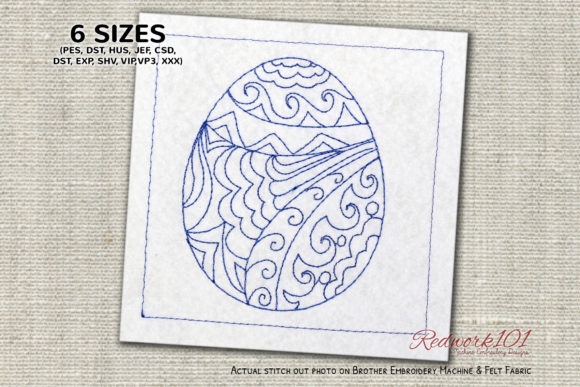
The description notes that the "Box Stitch shown in picture is optional" and that outer box colors may vary or be skipped. This flexibility is crucial for designers looking to customize their output. In this review, I will break down how this machine embroidery design fits into the workflows of Etsy sellers, boutique owners, apparel decorators, and craft businesses.
First Impressions: Visual Personality and Brand Fit
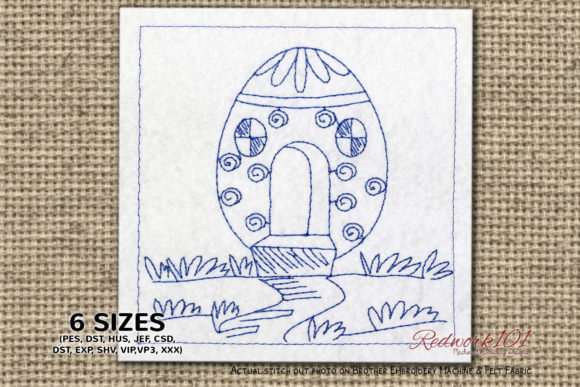
When you first load the Mandala Easter Egg Pattern Redwork, the immediate impression is one of balanced elegance. The term "Redwork" traditionally implies simple, bold outlines often done in a single color, usually red. However, the inclusion of "Mandala" suggests a higher level of detail and complexity. This juxtaposition creates a design that feels both rustic and premium.
For a small business owner, this visual personality is versatile. It works well for brands that want to convey a handmade, artisanal feel without looking unpolished. The intricate center of the mandala draws the eye, while the surrounding egg shape provides a familiar, friendly silhouette. Whether you are running a local bakery, a floral shop, or a handmade jewelry brand, this embroidery file can serve as a subtle yet sophisticated accent. It avoids being overly childish, which allows it to appeal to adult customers looking for quality small business merch.
Real-World Applications for Small Businesses
The true test of any digital embroidery file is its performance in production. Here is how the Mandala Easter Egg Pattern Redwork holds up across various common use cases.
Embroidered Patches and Product Labels
This design is an excellent candidate for creating custom patches. The mandala structure has a natural circular symmetry that fits perfectly within standard patch shapes. Because the design likely features clear lines, it remains legible even when scaled down slightly. For a boutique selling handmade goods, these patches can be ironed or sewn onto tote bags, denim jackets, or canvas totes. They serve as a tangible representation of your brand identity, adding a layer of professionalism and care that mass-produced items lack.
Apron Embroidery and Workwear
For cafes, bakeries, and florists, uniforms are a walking billboard. Placing the Mandala Easter Egg Pattern Redwork on the chest pocket or upper back of a chef’s apron or work shirt creates a cohesive look. The design is not so large that it overwhelms the garment, nor so small that it gets lost. It adds a touch of artistic flair to staff attire, signaling to customers that the business values creativity and attention to detail. If you offer custom apparel, this design can be a standout option for spring-themed uniform updates.
Tote Bag Design and Merchandise
A tote bag design featuring this pattern can elevate a simple canvas bag into a fashion accessory. The mandala’s geometric nature pairs well with minimalist fabrics like organic cotton or linen. For crafters selling at markets, these bags make high-margin add-ons. You can also use the design on product packaging accents, such as embroidered tags attached to candles, soaps, or baked goods. This consistency in design assets helps build visual recognition among repeat buyers.
Cap Embroidery and Accessories
While cap embroidery often favors simpler logos, this design can work well on the side panels or back of a cap where space is limited but visible. The circular format of the mandala adapts naturally to curved surfaces. It serves as a stylish detail for hats worn by event staff or as part of a branded giveaway item. Ensure the hoop size accommodates the curve of the cap to avoid distortion during stitching.
Strategic Considerations and Limitations
No design is perfect for every application. As a professional reviewer, I must highlight where caution is needed when using the Mandala Easter Egg Pattern Redwork.
- Small Patch Sizes: If you plan to produce very small patches (under 2 inches), the intricate details of the mandala may blur together. Test the design at your intended final size to ensure the inner patterns remain distinct.
- Stitch Density and Fabric Texture: High stitch density can make fabric stiff, which is undesirable for soft garments like t-shirts. Check the file’s density settings. On textured fabrics like burlap or heavy denim, fine details might get lost. Conversely, on smooth fabrics, the design should pop beautifully.
- Thread Color Contrast: The description mentions variable box colors. When adapting this for a specific brand palette, ensure sufficient contrast between the thread and the base fabric. Low contrast can make the design hard to read, especially on dark uniforms.
- Curved Surfaces: While the design works on caps, always use a proper stabilizer and consider the curvature of the hat front. Distortion can occur if the hoop tension is not adjusted correctly.
- Frequent Washing: For items like aprons or work shirts that undergo frequent laundering, ensure the design uses satin stitches or dense fill that withstands wear. Loose running stitches in a mandala pattern might fray over time if not properly finished.
Impact on Brand Identity and Customer Trust
In the world of handmade products and boutique retail, presentation is everything. Using a well-executed commercial embroidery design like the Mandala Easter Egg Pattern Redwork signals professionalism. It shows customers that you invest in quality materials and craftsmanship. This builds trust and encourages repeat purchases.
Furthermore, consistent use of such designs across different product lines—whether on a tote bag, a cap, or a product tag—creates a unified brand identity. Customers begin to associate the mandala motif with your brand’s aesthetic of elegance and care. This visual consistency enhances buyer engagement, as customers recognize your products instantly in a crowded marketplace.
Practical Designer Notes for Production
Before committing to a large production run, follow these essential steps to ensure the best results:
- Test in Black and White: Print a mockup or view the design in grayscale to check the balance of light and dark areas. This helps identify if the design is too busy or lacks definition.
- Check Hoop Size and File Compatibility: Verify the recommended hoop size for the design. Ensure the embroidery file format matches your machine’s software. If the description does not specify the exact hoop size or file format, contact the seller or test digitize a sample.
- Use Proper Stabilizer: The choice of stabilizer (cut-away vs. tear-away) depends on the fabric. For stretchy knits, use cut-away stabilizer to prevent distortion. For woven fabrics, tear-away may suffice.
- Create a Printable Mockup: Before stitching on expensive fabric, create a printable mockup to visualize the scale and placement. This is invaluable for client approval in custom apparel projects.
- Confirm Commercial Licensing: Always verify that you have the right to use the design for commercial purposes. Selling items embroidered with this pattern requires a valid license unless explicitly stated otherwise.
- Inspect Thread Color Contrast: Choose thread colors that complement your brand palette while maintaining visibility. The optional box stitch allows for customization, so experiment with different outer colors to find the best fit.
Final Verdict
The Mandala Easter Egg Pattern Redwork is a strong addition to any designer’s library of design assets. Its blend of traditional charm and modern intricacy makes it suitable for a wide range of small business merch applications. From embroidered patches to apron embroidery, it offers versatility and visual appeal. By paying attention to technical details like stitch density, hoop size, and fabric compatibility, you can transform this digital file into a profitable and professional finished product. For businesses looking to add a touch of elegance to their spring collections or year-round branding, this design is a worthy investment.