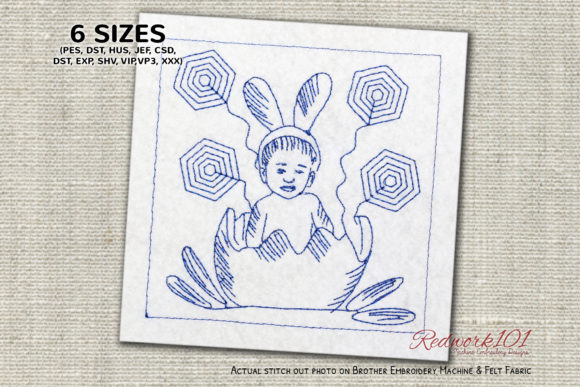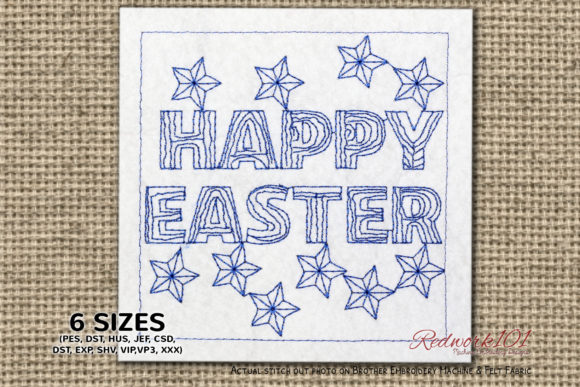
Happy Easter Design Redwork Review
As an embroidery designer who has spent years evaluating digital assets for boutique apparel, I approach every new file with a mix of excitement and skepticism. The market is saturated, but the demand for high-quality, seasonal pieces remains strong. Recently, I examined the Happy Easter Design Redwork for a potential drop in my own small brand’s spring collection. This review breaks down how this specific design translates from a screen to a premium sweatshirt, offering insights for fellow Etsy sellers, apparel decorators, and creative entrepreneurs.
First Impressions: Mood and Aesthetic
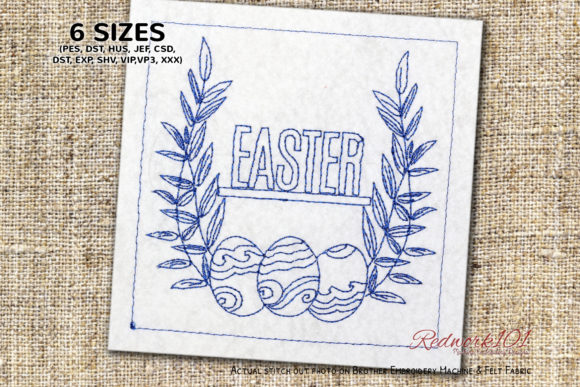
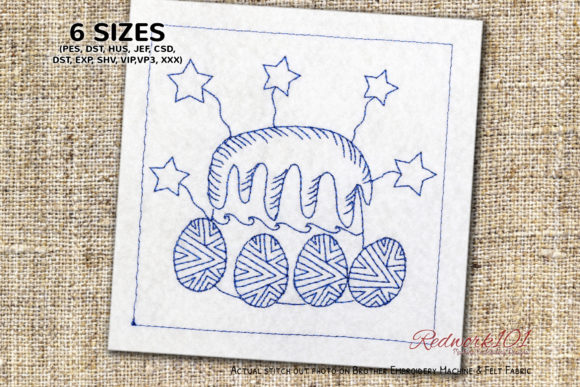
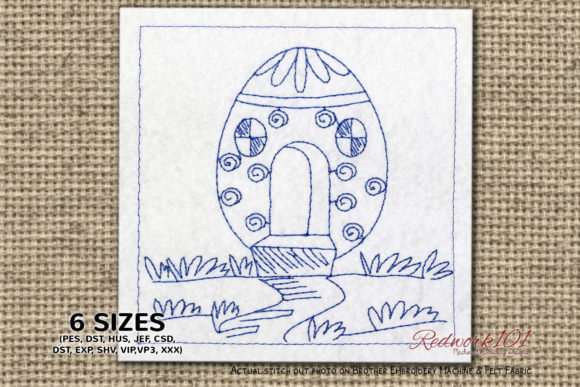
The moment I opened the preview of the Happy Easter Design Redwork, the aesthetic spoke clearly to a specific demographic. It leans heavily into the "redwork" style—a traditional embroidery technique characterized by single-color stitching, usually red, on white or neutral fabric. However, modern interpretations like this one often play with color variations. The title suggests a festive, cheerful mood, while the description hints at optional elements like a box stitch that can be customized.
This design feels rustic yet playful. It avoids the overly complex, multi-colored look that can sometimes feel cheap on thicker fabrics. Instead, it offers a clean, graphic quality that reads well even from a distance. For a boutique brand aiming for a cozy, handmade vibe, this design hits the right notes. It is not just cute; it has a decorative weight that suggests quality. The layout appears balanced, likely featuring a central motif surrounded by complementary details, which makes it versatile for various placement options on apparel.
Application on Sweatshirts and Hoodies
Sweatshirt embroidery presents unique challenges compared to lightweight t-shirts. The fabric is thick, the texture is pronounced, and the drape is different. When I visualize the Happy Easter Design Redwork on a premium cotton-blend crewneck or an oversized hoodie, I see strong potential.
Chest Placement and Branding
For a standard chest placement, this design would serve as a perfect focal point. On a heather grey or oatmeal-colored sweatshirt, the contrast provided by the redwork style (or its color variants) would pop without overwhelming the garment. It works exceptionally well for custom apparel branding because it is distinctive enough to be memorable but simple enough to remain timeless. It avoids the trend-chasing look that fades quickly, making it a safer investment for a small shop product line.
Sleeve Accents and Back Designs
I also considered using this design for sleeve accents. The scale seems appropriate for a left-sleeve placement, adding a subtle touch of personality. Alternatively, if the design includes smaller repeating motifs mentioned in the description, these could be used as back prints or cuff details. This versatility is crucial for maximizing the value of your design assets. By creating multiple products from one embroidery file, you increase your profit margins and reduce the need for constant new content creation.
Fabric Texture and Color Contrast
The interaction between the thread and the fabric is key. On dark fabrics, the design might require a heavier underlay or a different thread color strategy to maintain visibility. However, on pastel or light neutrals—think lavender, mint, or cream—the thread colors will shine. The description notes that the outer box color may vary, which allows you to match the thread to the specific hue of your sweatshirt. This adaptability is a huge plus for maintaining a cohesive brand identity across different colorways.
Technical Evaluation for Commercial Use
Before committing to production, any professional must evaluate the technical aspects of the machine embroidery design. Here are the critical factors to consider for the Happy Easter Design Redwork.
- Stitch Density: Redwork designs typically use fewer stitches than full-color fills, which is excellent for sweatshirts. Lower density means less bulk and better flexibility. However, you must ensure the satin stitches (if any border the design) are dense enough to cover the fabric texture without puckering. If the design feels too sparse, it might look fragile on a heavy garment.
- Stabilizer Choice: Because sweatshirts are stretchy and thick, a cut-away stabilizer is non-negotiable for commercial durability. The design should be hooped securely to prevent shifting. Given the potentially intricate nature of redwork, a stable base is essential to keep the lines crisp.
- Hoop Size and Readability: You need to check the specific hoop size required for this file. If the design is too large, it may dominate the chest area, especially on women’s fitted styles. If it is too small, it might get lost in the fabric weave. Ensure the design scales well for both adult and youth sizes.
- Washing Durability: For a handmade product to retain customer trust, it must withstand washing. The simplicity of the redwork style generally holds up well, but always test wash your samples. Look for any loose threads or areas where the fabric might show through the stitching after multiple cycles.
Note: Please verify the exact stitch count, file format, and license terms directly with the provider before production. These details are not included in the general description and are vital for legal and technical compliance.
Impact on Brand Identity and Sales
In the world of online selling, visual recognition is everything. A well-executed embroidery design like this one does more than decorate a shirt; it builds a narrative. The Happy Easter Design Redwork evokes feelings of tradition, warmth, and community. These emotions resonate deeply with buyers looking for meaningful, seasonal gifts.
When you present this design in your Etsy listings or social media campaigns, it tells a story of craftsmanship. Customers are willing to pay a premium for items that feel thoughtfully designed and professionally finished. A printable mockup that showcases the texture of the embroidery against the fabric can significantly boost click-through rates. It bridges the gap between the digital file and the tangible finished product.
Building Trust Through Quality
Consistency in quality builds buyer trust. By using a reliable, well-structured digital embroidery file, you signal to your customers that you care about the details. The Happy Easter Design Redwork, with its clear lines and thoughtful composition, supports this perception. It allows your boutique brand to stand out in a crowded market by offering something that feels both nostalgic and fresh.
Final Thoughts for Creators
For creative entrepreneurs and crafters, the Happy Easter Design Redwork represents a solid opportunity. It is adaptable, aesthetically pleasing, and technically suitable for a range of apparel types. Whether you are launching a limited-edition Easter collection or expanding your year-round offerings with seasonal touches, this design fits seamlessly into a professional workflow.
Remember to conduct thorough tests on your specific equipment and materials. Every machine and fabric behaves differently. But if executed correctly, this design has the potential to become a bestseller. It captures the spirit of the season while maintaining the elevated look that modern consumers expect. Embrace the flexibility of the optional elements, play with your thread colors, and create a collection that truly reflects your brand’s unique voice. Happy stitching!