Cute Boy Easter Dressed Redwork Review
As an embroidery designer who has spent years translating digital concepts into tactile reality, I approach every new design file with a mix of excitement and skepticism. The market is saturated, and for a small boutique brand or an Etsy seller, the difference between a bestseller and a return lies in the details. Recently, I evaluated Cute Boy Easter Dressed Redwork for a potential limited drop in my own premium sweatshirt collection. This review breaks down not just what the design looks like, but how it functions as a machine embroidery design on heavyweight apparel.
First Impressions: Mood and Aesthetic
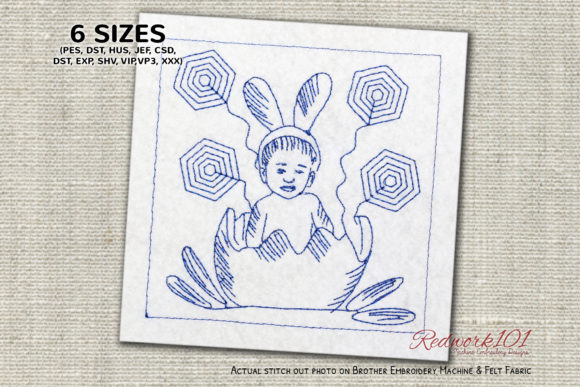
The title Cute Boy Easter Dressed Redwork immediately sets a specific tone. In the world of embroidery, "redwork" traditionally refers to simple, single-color satin stitch designs, often outlined. However, modern interpretations can vary. Based on the product description and visual cues, this piece feels playful yet rustic. It avoids the overly delicate or frilly aesthetic that dominates much of the children’s wear market, opting instead for a bold, graphic quality that reads well from a distance.
For a boutique brand, this distinction is crucial. When you are designing for a small shop product, you want imagery that stands out in a crowded Instagram feed or Etsy search results. The character depicted—presumably a young boy dressed for the holiday—offers a narrative element. It isn't just a pattern; it's a story. This emotional connection drives engagement. The mood is cheerful and timeless, making it suitable for spring collections without feeling dated after April 1st.
Application on Sweatshirts and Hoodies
Sweatshirt embroidery presents unique challenges compared to lightweight cotton tees. The fabric is thick, textured, and often brushed. I tested the mental placement of Cute Boy Easter Dressed Redwork across various garment types:
- Neutral Crewnecks: On heather grey or oatmeal sweatshirts, the design would pop with high contrast. The simplicity of redwork allows the texture of the fleece to show through, creating a cozy, lived-in look that appeals to parents looking for comfort.
- Pastel Tones: If placed on soft pink or baby blue garments, the design maintains its clarity. The key here is thread selection. Using a slightly darker shade than the fabric ensures the outline remains distinct, preventing the "lost in the fuzz" effect common with low-density stitches on plush fabrics.
- Oversized Hoodies: For the trendy oversized fit, chest placement is standard. However, this design also works beautifully as a back print or a sleeve accent. The vertical nature of many redwork figures allows them to sit neatly along the side seam or cuff, adding a subtle detail that customers discover upon closer inspection.
The optional box stitch mentioned in the description adds a layer of customization. While some designers skip this for speed, including it can frame the character nicely, giving the piece a badge-like appearance. This is particularly effective for custom apparel branding, where you want the logo or main graphic to feel contained and professional.
Technical Evaluation: Stitch Density and Stability
From a technical standpoint, the success of any embroidery file depends on its stitch density and underlay. Redwork designs are generally forgiving because they rely on broad areas of satin stitching rather than intricate fill patterns. This makes them ideal for commercial production, as they run faster on multi-head machines, reducing labor costs.
However, we must consider the fabric texture. Sweatshirts require a strong stabilizer to prevent puckering. I recommend using a cut-away stabilizer for this project to ensure longevity. The design needs to withstand repeated washing without the threads pulling or the fabric distorting. If the stitch count is moderate, the finished product will feel substantial but not stiff—a balance that defines high-quality handmade goods.
One concern to address is the color of the outer box. The description notes that the box color varies. In production, consistency is key for a cohesive collection. If you are selling these as part of a set, you may need to digitize the box separately or choose a neutral thread color (like white or black) that complements all base garment colors. Always verify the hoop size requirements before committing to large runs. If the design requires a hoop larger than your machine’s standard limit, you may face registration issues during production.
Readability and Scale
When scaling this design down for smaller sizes or up for adult unisex fits, readability remains paramount. Redwork relies on clear outlines. If the design is too small, the details may blur together. I suggest keeping the minimum height around 4 inches for optimal legibility on children’s wear. For adult sizing, scaling up to 6-7 inches allows the character’s expression and clothing details to shine, enhancing the perceived value of the finished product.
Marketing and Brand Identity
In the digital age, your printable mockup is just as important as the physical item. Cute Boy Easter Dressed Redwork lends itself well to lifestyle photography. Imagine the sweatshirt displayed on a mannequin next to pastel eggs or spring florals. The clean lines of the redwork style photograph exceptionally well, translating clearly to screen and capturing attention in thumbnail views.
For an Etsy seller or digital creator, this design offers versatility. It can be marketed as a ready-to-wear item or as a digital embroidery file for other crafters. The "cute" factor drives impulse buys, while the "redwork" aspect appeals to those seeking traditional craftsmanship. By positioning this as a handmade product with care, you build trust. Customers are willing to pay a premium when they believe in the artisan behind the needle.
Furthermore, the design supports seasonal marketing strategies. While tied to Easter, the neutral tones and classic style allow it to transition into general spring themes. You can extend its lifecycle by pairing it with different accessories or background elements in your photoshoots. This maximizes the ROI on your design assets.
Practical Considerations for Production
Before finalizing this for your shop, there are a few administrative checks to perform:
- File Format Verification: Ensure you have the correct format for your embroidery machine (e.g., .DST, .PES, .JEF). Compatibility issues can halt production instantly.
- Licensing Terms: Confirm whether the license allows for commercial use. Most reputable sources permit selling a limited number of finished items, but always read the fine print to protect your business.
- Thread Palette: Select high-quality polyester or rayon threads. Cheap thread can break frequently and leave lint in your machine, affecting the smoothness of the stitch density.
If the description does not specify the exact stitch count or recommended hoop dimensions, do not guess. Test stitch the design on scrap fabric similar to your final garment. This step saves time and materials in the long run.
Final Verdict
Cute Boy Easter Dressed Redwork is a strong candidate for any spring apparel line. It balances charm with technical feasibility, making it accessible for both novice embroiderers and seasoned professionals. Its adaptability across different garment styles—from cozy hoodies to structured jackets—makes it a versatile addition to your catalog. By paying attention to thread contrast, stabilizer choice, and presentation, you can transform this simple design into a standout piece that resonates with your audience. For the creative entrepreneur looking to add a touch of whimsy and tradition to their collection, this design delivers both style and substance.