Easter Egg House with Door Redwork Review
As an embroidery designer who spends countless hours planning seasonal collections, I am always looking for designs that balance charm with commercial viability. When browsing Creative Fabrica embroidery files for the upcoming holiday season, the Easter Egg House with Door Redwork design immediately caught my attention. It is not just another generic bunny or basket; it offers a unique architectural twist on traditional Easter motifs. This review breaks down how this specific digital embroidery file fits into a professional workflow for Etsy sellers, small shop owners, and handmade gift makers.
First Impressions: Seasonal Mood and Design Aesthetic
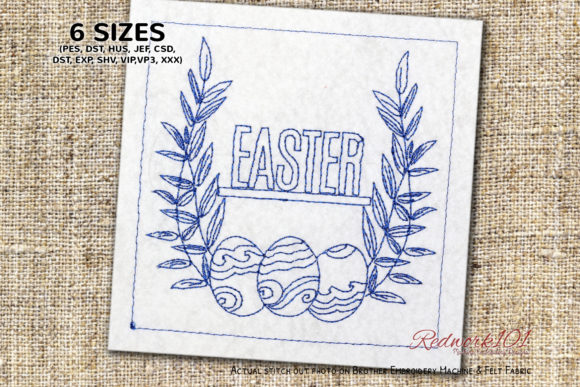
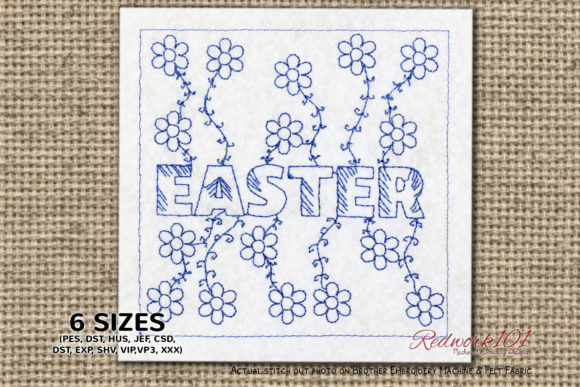
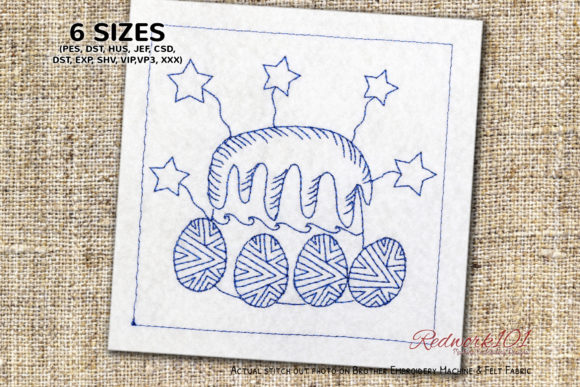
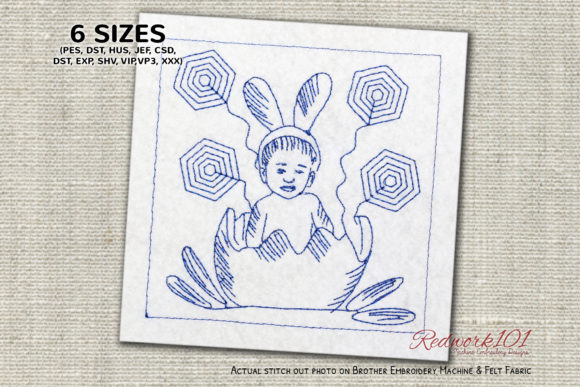
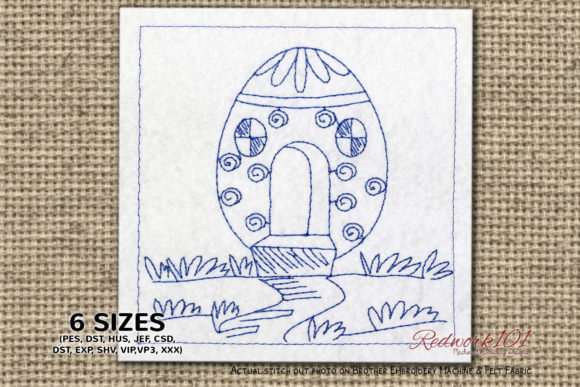
The moment you open the preview of the Easter Egg House with Door Redwork design, the emotional tone is clear. It feels nostalgic, cozy, and quietly festive. The redwork style—typically characterized by single-color stitching on light fabric—gives the piece a rustic, storybook quality that resonates deeply with today’s market trends. Unlike busy, multi-colored designs that can feel cluttered, this design relies on clean lines and recognizable shapes.
The concept of a house built from an egg is playful yet elegant. It taps into the springtime feeling of new beginnings and home. For a holiday embroidery collection, this adds a layer of sophistication that appeals to buyers looking for something more substantial than mass-produced plastic decor. It feels premium without being overly formal. The inclusion of a door suggests accessibility and warmth, making it perfect for home decor items where the design will be displayed prominently.
Commercial Potential for Holiday Product Lines
For seasonal embroidery creators, versatility is key. This design excels in several high-demand categories:
- Sweatshirt Embroidery: The moderate size and balanced composition make it ideal for chest placements on crewneck sweatshirts. The redwork style contrasts beautifully against heather grey, cream, or pastel pink fabrics, creating a personalized gift option that stands out during spring fashion drops.
- Kitchen Towel Embroidery: Spring cleaning and baking are huge themes around Easter. Placing this design on a linen kitchen towel creates a charming centerpiece for a hostess gift. The structural nature of the "house" motif holds up well on textured cotton blends.
- Tote Bag Design: A canvas tote featuring this design serves as both a functional item and a walking advertisement for your brand. It is particularly effective for craft fair products where visual appeal at eye level drives impulse buys.
- Pillow Cover: For home decor enthusiasts, this design translates beautifully onto throw pillows. The central focus allows for easy framing within standard pillow sizes, offering a quick turnaround for home decor listings.
- Embroidered Patch: The distinct outline makes it suitable for application as a patch on denim jackets or backpacks, expanding its reach beyond traditional textile goods.
When building a limited edition apparel line, bundling this design with complementary elements (like simple flowers or text) can increase average order value. It works exceptionally well in gift bundles, such as a matching set of a sweatshirt and a kitchen towel, appealing to customers looking for complete thematic gifts.
Visual Recognition and Brand Consistency
In a crowded online marketplace, visual recognition is vital. The Easter Egg House with Door Redwork design has a strong silhouette. Even when viewed as a thumbnail on Etsy or social media, the shape is legible. This clarity builds customer trust because the product looks exactly like the preview. Consistency between your digital mockups and the finished product reduces returns and negative reviews, which is crucial for maintaining a high seller rating during peak shopping periods.
Practical Considerations for Embroidery Execution
While the design is visually appealing, a professional must consider the technical aspects before committing to production. Here are critical notes for executing this machine embroidery design successfully:
Stitch Density and Stabilizer Selection
Redwork designs often involve long running stitches and satin stitches. You must check the stitch density carefully. If the density is too high for the intended fabric, the result may pucker. Always use a proper stabilizer appropriate for your base material. For stretchy garments like sweatshirts, a cut-away stabilizer is recommended to prevent distortion over time. For woven items like towels or pillow covers, a tear-away or water-soluble stabilizer might suffice, depending on the weight of the fabric.
Fabric Texture and Thread Colors
The success of redwork lies in the contrast between thread and fabric. Test your thread colors on both light and dark fabrics. While traditional redwork uses red thread on white, experimenting with navy on cream or pastel pink on beige can create unique variations for different market segments. Remember that the description notes the outer box color may vary; ensure you understand the default settings in your digitizing software to maintain consistency across a batch of orders.
Hoop Size and Placement
Confirm the hoop size required by the file. If the design is large, it may limit your placement options on smaller items. Ensure you have enough space for hooping without distorting the garment. For curved surfaces like caps or rounded tote handles, test the design on scrap pieces first to see how the perspective shifts.
Areas Requiring Careful Attention
No design is without its challenges. There are specific scenarios where this design requires extra caution:
- Small Hoop Sizes: If attempting to scale this down significantly, fine details may become muddy or lost. Avoid using this design for very small accessories unless you verify the legibility after stitching.
- Thick Towels and Denim: Thick fabrics can hide the detail of the stitch work. Use a sharper needle and potentially double-layer stabilizer to ensure the thread penetrates cleanly without breaking.
- Metallic Thread: While metallic thread adds luxury, it can be brittle and prone to breaking in dense areas. If you choose to use metallics, reduce machine speed and inspect the tension frequently.
- Dense Stitch Areas: Check any areas where stitches overlap heavily. On thin fabrics, this can lead to visible bumps or even tearing over time, especially if the item needs repeated washing.
Planning Your Seasonal Workflow
To maximize the potential of the Easter Egg House with Door Redwork design, integrate it into a broader marketing strategy. Create realistic mockups that show the design in lifestyle settings—a kitchen towel hanging on an oven handle, or a sweatshirt worn at a spring brunch. These printable mockup assets help customers visualize the handmade gift in their own homes.
Before launching your commercial embroidery products, review the Creative Fabrica product details and licensing agreement thoroughly. Ensure you have the correct permissions to sell finished goods made from the digital file. Plan your color palettes early to match current interior design trends, such as sage greens, soft yellows, and terracottas.
Finally, remember that quality control is part of the creative process. Stitch out a sample, wash it, and examine it under good lighting. Look for loose threads, puckering, or misaligned elements. By taking these steps, you ensure that the Easter Egg House with Door Redwork design becomes a staple in your seasonal collection, driving sales and delighting customers who appreciate thoughtful, well-executed handmade items.