Laurel Wreath for Bow Quick Stitch Review
First Impressions: Cute, Colorful, and Ready for the Booth
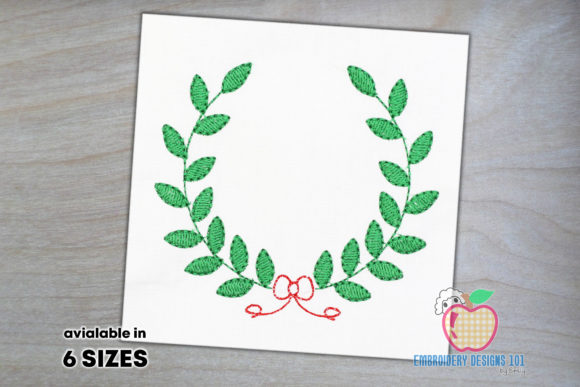
Unpacking a new machine embroidery design always feels like peeking into a fresh season of possibilities. With Laurel Wreath for Bow Quick Stitch, the first thing that hits me is the word cute – the product description leads with it, and that one word shapes the entire evaluation. This isn’t a heavy, formal laurel meant for a blazer. It’s a playful, lighthearted wreath designed to “add a spark of color” anywhere it lands. As an embroidery designer prepping for a weekend craft fair, I instantly picture this on spring market tables, tucked into cheerful handmade displays that make shoppers slow down and smile.
The Floral Wreaths category often leans rustic or farmhouse, but this design promises something with a sweeter personality. From the title, I imagine a delicate ring of leaves with a defined bow motif, something that reads clearly even from a few steps away. The fact it’s called a “Quick Stitch” suggests the digitizer kept the stitch count efficient – fewer trims, faster run times, and less stress on production schedules. For a busy handmade product seller, that’s gold. Before I even load the embroidery file onto my machine, I’m already sorting booth samples in my head: pastel thread palettes for baby gifts, bright monochrome for trendy tote bags, classic white on navy for a crisp coastal look.
Where Laurel Wreath for Bow Quick Stitch Stands Out on Handmade Products
When I judge a new design, I test it mentally across all the surfaces a craft fair shopper might browse. Laurel Wreath for Bow Quick Stitch isn’t an overpowering focal piece – and that’s a strength. Its charm works as a scaled‑down accent on small pouches, a corner embellishment on tea towels, or a centered statement on the chest of a kid’s t‑shirt. On a cream apron bib, the wreath turns a plain canvas into a boutique‑level apron embroidery without eating up hours of thread changes. Tote bag design is where it really earns its keep: a quick stitch wreath tucked near the handles or filling the front pocket catches eyes without overwhelming the bag’s shape.
For the upcoming market, I’d run a batch of simple linen tea towels with the wreath in one lower corner, each in a different thread color to create a rainbow spread. These become a magnet for shoppers looking for small‑shop product charm under $20. Embroidered patch possibilities also shine – finishing the wreath as a standalone patch with a felt backing gives customers a sew‑on or iron‑on option for jackets, denim, or caps. Speaking of caps, the curved surface always demands a test stitch, but the wreath’s rounded shape naturally follows the cap’s contour, making it a strong candidate for a cap‑specific embroidery file if available. On pillow covers, the wreath feels crisp and gift‑ready, especially when paired with a simple monogram inside the ring.
The product description lists t‑shirts, sweatshirts, and jackets as ideal canvases. For a handmade product line, I see this as a reliable layering piece. A sweatshirt with the wreath on the upper left chest creates a preppy, collared‑shirt‑and‑sweater vibe without any actual layering. On a lightweight jacket back, enlarged to fill a medium hoop, it becomes a subtle statement. The “spark of color” language hints at vibrant thread choices, so I’d experiment with variegated threads that shift from coral to blush or mint to teal – these photograph beautifully for Etsy seller listings and give each finished product a one‑of‑a‑kind feel.
The Craft Fair Seller’s Reality Check: Production and Repeatability
Lovely designs fail in a market booth if they fight my machine. I always ask: can I stitch twenty of these without babysitting every needle drop? The “Quick Stitch” label raises expectations of reasonable stitch density and clean paths. But I never trust a new digital embroidery file until I’ve run it on the exact fabric I plan to sell. Here’s my practical checklist for Laurel Wreath for Bow Quick Stitch:
- Stabilizer match: On t‑shirts and sweatshirts, a medium‑weight cutaway stabilizer prevents shifting. For tea towels and woven aprons, a tear‑away works, but I might float a piece of water‑soluble topping on textured fabrics to keep tiny leaf details crisp.
- Hoop size verification: The listing should specify the maximum dimensions. If the wreath fits a 4x4 hoop comfortably, it opens up cap frames and small pouches. Larger hoops allow scaling up for jacket backs or pillow front centers – but scaling a design not digitized for larger sizes can introduce gaps or distorted stitches.
- Thread contrast check: “Spark of color” becomes invisible on dark fabric if the underlay isn’t solid. I always stitch a test swatch on black, navy, and heather gray. If the design lacks a white underlay by default, I may need to add a knock‑out layer or choose a heavier thread weight.
- Fabric texture test: Fleece sweatshirts and textured towels can swallow fine lines. A cute laurel wreath with small leaf segments might lose definition if the stitch density is too low. I’ll burn a sample on a fluffy hoodie and a ribbed tank to see where the weak points sit.
What excites me as a commercial embroidery thinker is the repeatability. A design that stitches fast and uses minimal color changes lets me build inventory for dozens of booth pieces in a single afternoon. I can picture setting up my machine to run a hoop‑after‑hoop session of tote bags, swapping only thread spools to create a color‑coordinated collection. That efficiency means I can offer the wreath as an add‑on for custom orders without straining my production timeline – a real advantage when a customer at the fair wants a name added inside the wreath on the spot.
Booth Display and Customer Psychology: Why This Design Works
A craft fair table is a visual fight for attention. Laurel Wreath for Bow Quick Stitch has three traits that win that fight: it’s recognizable, it’s cheerful, and it scales beautifully across products. When I style a booth, I aim for a “family” of items – a tea towel, a tote, a zipper pouch, and a pillow cover all showcasing the same wreath – so a shopper who likes the design on one item instantly sees three more they could buy. This design’s wreath shape acts as a natural frame, giving it a jewelry‑like presence on flat surfaces.
Photography matters for Etsy seller listings and social media promo. Wreaths photograph well flat‑lay, which is a huge asset for printable mockup creators and digital sellers. I can shoot a towel on a sunlit table, a tote hanging on a white wall, and a patch pinned to a denim jacket, and the consistent circular motif ties the entire shop feed together. That brand consistency makes a small shop product look intentional and premium, not like a garage sale grab bag.
For buyer engagement, the wreath’s cuteness invites interaction. Shoppers touch embroidered tea towels; they hold up apron bibs to their chest and ask friends “is this me?” A design that sparks that kind of personal connection moves from “oh, that’s pretty” to “I need this for my kitchen.” The Laurel Wreath also plays well with seasonal tweaks – swap thread to red and green for holiday markets, pastels for Easter, or brights for a summer fair. One embroidery file, endless seasons.
Stitch Pitfalls and Subtle Tweaks Every Maker Should Do
Even a cutie like this has risk zones. Based on the description’s emphasis on t‑shirts, sweatshirts, and jackets, I’m expecting the digitizer compensated for stretch. But I never skip a test. Small details inside the wreath – leaf veins, berry dots, ribbon folds – can close up if the stitch angle doesn’t account for the fabric’s stretch. I’ll sew out the machine embroidery design on a ribbed tank and a smooth onesie to compare. On textured towels, I lower my expectations of razor‑sharp edges and sometimes embrace a slightly softer, vintage‑look result.
Dark fabric demands a white or ecru underlay to let thread colors sing. If the design doesn’t come with separate underlay object layers, I might manually place a light‑colored placement stitch before the main design runs. For caps, I’ll check if the design hoop supports a cap frame and if the digitizing accounts for the center seam. The wreath’s symmetry is vulnerable to distortion if hooping shifts even slightly, so I mark my cap centerline with chalk and always use a basting box.
Small lettering isn’t mentioned, but if the design includes script “love” or “hello” inside the wreath, I scrutinize the minimum size. Lettering that reads beautifully at 4 inches becomes a thread clump at 2 inches. I keep a notecard of my machine’s minimum legible height for various fonts and refuse to sell anything below that threshold. No disappointed customer, no refund request.
My standard advice for any commercial embroidery use: run a full speed‑to‑quality balance test. Some designs stitch finest at 600 stitches per minute, others at 800. I’ll sacrifice ten minutes of production to find the sweet spot that gives clean satin edges without thread breaks. Then I note the settings for future batch runs. And before placing a production order for finished products, I double‑check the license – being a “Quick Stitch” design doesn’t automatically grant commercial embroidery rights. I prefer designs where the creator clearly states finished product selling terms, or I reach out to confirm. Peace of mind matters when a craft fair inspector might question the origin of your goods.
Building a Cohesive Collection with Laurel Wreath for Bow Quick Stitch
One strong design can anchor an entire product line. I’d build around this wreath by offering it in three “moods” for my booth: a soft pastel palette for baby shower gifts, a rich jewel‑tone set for home decor pillow covers, and a minimalist monochrome version for modern kitchen towels. Pair each colorway with matching solid‑colored products – think mint thread on a white apron, wine‑colored thread on a linen tote, charcoal thread on a blush pillow cover.
For craft fair product upselling, I’d stitch the wreath onto a set of four tea towels and band them with a ribbon for a giftable bundle. At $25 for the set, the perceived value is high while my stitch time per towel stays low. The same design on a small zipper pouch becomes a quick impulse item near the register. If I also sell the digital embroidery file to other makers, a printable mockup showing the wreath on all these surfaces boosts my listing conversion because buyers see exactly how the design can live in their own shops.
Etsy seller and boutique maker friends often ask what makes a design a “keeper.” I tell them: it’s one you reach for when you need twenty gifts in a weekend. Laurel Wreath for Bow Quick Stitch feels like that design. Its Floral Wreaths DNA gives it timeless appeal, while the cute, colorful spin keeps it from fading into the background. After years running booths in gymnasiums and church basements, I’ve learned that shoppers may not remember a complicated floral spray, but they’ll remember a crisp little wreath that made a simple towel feel special.
Final Designer Notes on This Laurel Wreath
There’s a place for intricate, show‑stopping embroidery that takes three hours and seventeen thread changes. But a craft fair inventory relies on workhorse designs that stitch out reliably and charm customers at a glance. Laurel Wreath for Bow Quick Stitch sits comfortably in that workhorse category. It promises “a spark of color,” and that’s exactly what weekend shoppers hunt for: small, affordable ways to brighten everyday life.
Before I commit to a full production run, I’ll spend an evening testing the embroidery file on my go‑to substrates. I’ll note the actual hoop size required, measure the stitch density, and photograph the results in natural light. If everything passes, this design becomes a staple in my design assets folder, ready to dress up new products each season. For fellow crafters, my advice is simple: test it on your fabric with your thread, confirm the commercial embroidery licensing, and then stitch with confidence. A design this cute rarely stays on the table for long.