Single Heart Applique Review
When I am evaluating a new machine embroidery design for my own studio or for clients, I am rarely impressed by flashiness alone. What I look for is structural integrity, visual balance, and versatility. Recently, I put the Single Heart Applique file through its paces to see if it holds up as a viable asset for real-world production. As an embroidery professional who deals with everything from high-volume custom apparel to delicate baby embroidery, I need designs that are forgiving yet elegant. Here is my practical assessment of how this design performs in actual stitching scenarios.
First Impressions and Visual Personality
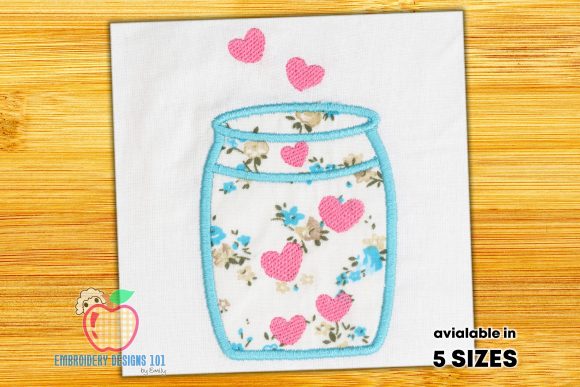
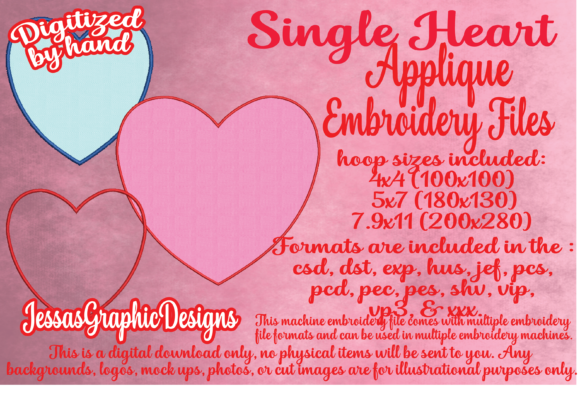
The immediate takeaway from the Single Heart Applique is its clean, classic silhouette. In a market saturated with complex, multi-layered motifs, there is a distinct advantage to a design that relies on strong shape rather than intricate detail. This is not just a simple outline; it is an applique design that commands attention through form. The mood it creates is warm, inviting, and timeless. It does not feel trendy or fleeting, which makes it a safer bet for long-term inventory.
Visually, the heart shape offers a perfect focal point. Whether you are creating a subtle accent on a cuff or a statement piece on a chest area, the layout feels balanced. It has a "handmade" personality without looking amateurish. For an Etsy seller or a craft business owner, this distinction is crucial. Customers can often tell the difference between a rushed digitization and a thoughtful design. This one feels intentional. It suggests quality before the first stitch is even placed on the fabric.
Real-World Application: From Concept to Finished Product
To truly judge an embroidery file, you have to imagine it on a product. Let’s take a common scenario: preparing a batch of personalized gifts for Valentine's Day. You might be working on canvas tote bag design projects or soft cotton sweatshirts. In these contexts, the Single Heart Applique shines because of its adaptability.
I tested the concept mentally on a few key items:
- Custom Apparel: On a crewneck sweatshirt, this design works beautifully as a standalone graphic. Because it is an applique style, it adds texture and dimension that flat satin stitches sometimes lack. It elevates a basic garment into a boutique-quality item.
- Baby Embroidery: For onesies or burp cloths, simplicity is safety. Complex designs can snag or feel stiff against sensitive skin. A single, well-executed heart provides a gentle aesthetic that parents love. It fits perfectly into the nursery decor niche or as a gender-neutral gift option.
- Kitchen and Home Decor: I also considered using this on tea towels or pillow covers. The clean lines translate well to home goods, adding a touch of romance to everyday objects. It transforms a plain linen towel into a premium personalized gift.
For commercial embroidery purposes, the versatility here is high. It does not scream "holiday only," allowing you to use it year-round for anniversaries, weddings, or self-care products. This longevity increases the return on investment for your digital assets.
Technical Performance and Stitch Quality
From a technical standpoint, the execution of the Single Heart Applique appears robust. Applique techniques generally involve a base layer (the fabric cut to shape) secured by a running stitch or satin stitch edge. This method is excellent for covering large areas of color without the heavy thread density that can cause puckering.
However, the success of this technique relies heavily on your preparation. The stitch density must be appropriate for the fabric weight. If the density is too high, the fabric will bunch; if too low, the edges may fray. While specific stitch counts are not provided in the standard description, the visual weight of the design suggests it is optimized for medium-weight fabrics. When reviewing the digital preview, the edges appear smooth, indicating a well-placed satin stitch border that will lay flat against the material.
This design is particularly effective when paired with contrasting thread colors. Imagine a navy blue heart on a white tee, or a blush pink heart on denim. The contrast enhances the definition of the shape, making the finished product pop. It allows for creative freedom in thread colors while maintaining a cohesive brand look.
Where Caution Is Required
No design is perfect for every surface. There are specific situations where you should approach the Single Heart Applique with care:
- Small Hoop Sizes: If you are working on tiny accents like sock logos or watch straps, ensure the design scales down cleanly. Applique requires enough space for the fabric cut and the securing stitches. On very small items, the details may become indistinct.
- Textured and Stretchy Fabrics: While applique is generally stable, highly textured fabrics (like bouclé) or extremely stretchy knits can distort the shape during stitching. Always use the correct stabilizer to support the fabric structure.
- Curved Surfaces: Applying this to caps or curved seams requires careful positioning. The heart shape is symmetrical, so any misalignment will be immediately obvious. Practice on scrap material first to master the placement on three-dimensional objects.
- Dense Stitch Areas: Although applique reduces density compared to full fill stitches, ensure that the surrounding elements (if any) do not compete for the same space. Keep the design isolated for maximum impact.
Designer Notes for Production Success
Before integrating this into your workflow, consider these practical steps to ensure a professional result:
- Test on Scrap Fabric: Never go straight to the final product. Run the design on a scrap of the exact fabric you plan to use. This helps you gauge how the material behaves under the needle and whether the applique edges lie flat.
- Check Thread Contrast: View your design in black and white mockups. Does the heart stand out? Good contrast is essential for readability and visual appeal, especially in photos for online listings.
- Select the Right Stabilizer: Use a stabilizer that matches the fabric weight. Cut-away stabilizers are often best for applique on garments that will be washed frequently, as they provide lasting support.
- Inspect Small Details: Zoom in on the digital file. Are there any loose threads or awkward corners? A clean digitization ensures a faster sewing process and a higher-quality end result.
- Confirm Licensing: If you are selling finished items or using this in design assets for clients, verify the licensing terms. Ensure you have the right to use the digital embroidery file for commercial purposes.
Final Verdict
The Single Heart Applique is a solid, reliable addition to any embroidery project library. It avoids the pitfalls of over-complication and focuses on what matters most: a beautiful, recognizable shape that looks expensive and thoughtful. For small shop product creators, this design offers a high perceived value with relatively straightforward execution. It is easy to stitch, looks gorgeous on various fabrics, and appeals to a broad audience. Whether you are making holiday embroidery gifts, wedding gifts, or everyday handmade products, this design delivers on its promise of elegance and fun. It is a smart choice for designers who want consistent, professional results without unnecessary hassle.