Happy Love Day Embroidery Review
As an embroidery designer who has spent years turning digital files into tangible memories, I approach every new design with a mix of excitement and skepticism. The market is flooded with thousands of designs, but few truly capture the heart of what people are looking for when they buy personalized gifts. Today, I am reviewing the Happy Love Day design to see if it deserves a spot in my studio’s library and, more importantly, on your customers’ shelves.
This review is written from the perspective of a professional testing this file before committing to production runs. Whether you are an Etsy seller, a small shop owner, or a crafter looking to expand your offerings, understanding the practical application of a design like Happy Love Day is crucial. Let’s dive into how this machine embroidery design performs as a finished product and who it appeals to.
First Impressions: Mood and Charm
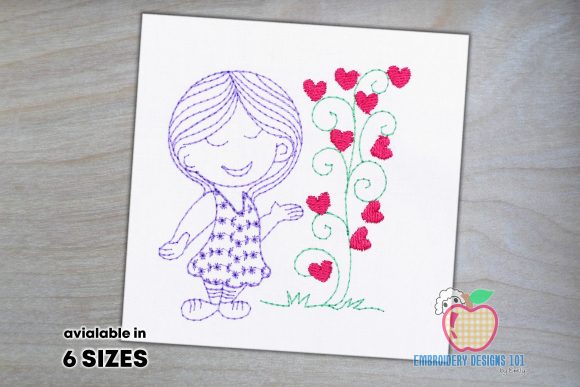
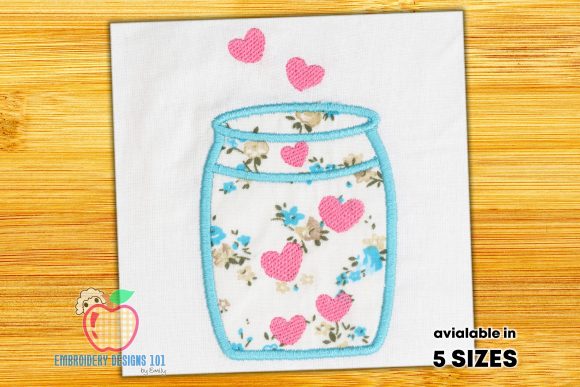
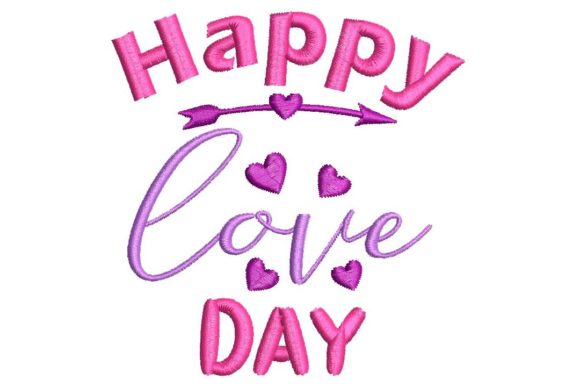
The moment I loaded the embroidery file for Happy Love Day, the first thing that struck me was its emotional resonance. It isn’t just a generic heart; it carries a specific warmth that feels both sweet and elegant. The charm lies in its balance—it avoids being overly cluttered while still offering enough detail to feel substantial. For a Valentine’s Day collection, this strikes the perfect note between classic romance and modern simplicity.
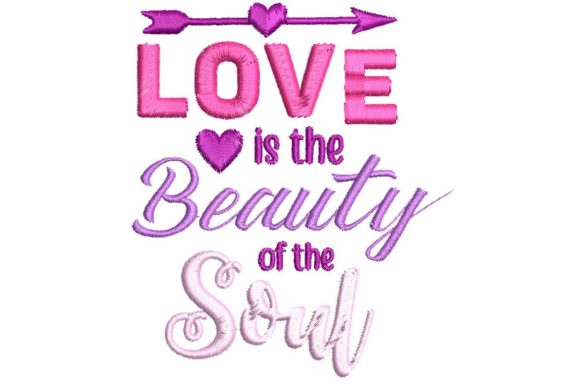
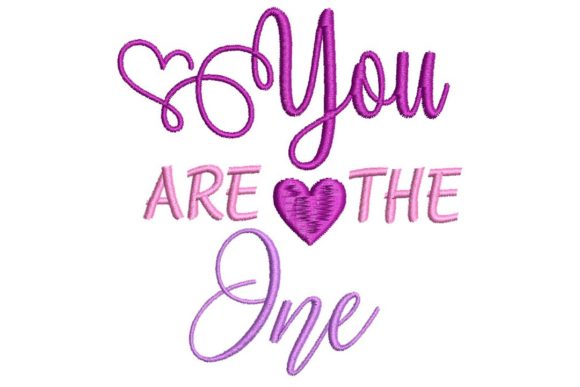
In terms of aesthetic appeal, the design feels handmade even though it is machine-stitched. This is vital for personalized gift products because buyers want their items to feel special and crafted with care. The typography and graphic elements work together to create a cohesive look that is romantic without being cheesy. It has a playful yet sophisticated vibe that would appeal to a wide demographic, from young couples to older generations celebrating anniversaries.
Product Applications and Giftability
One of the most critical aspects of a successful commercial embroidery design is versatility. Can this design be applied to multiple product types? After testing various scenarios, I found that Happy Love Day is incredibly adaptable. Here is how it translates across different handmade product categories:
- Baby Embroidery and Nursery Decor: While themed around love, the softness of the design makes it suitable for baby showers. A blanket embroidery featuring this motif can serve as a cherished family keepsake. It works beautifully on muslin blankets or cotton burp cloths, adding a touch of sentimentality to baby essentials.
- Kitchen and Home Textiles: An embroidered towel is a staple in many craft fairs and online shops. This design fits perfectly on kitchen towels, tea towels, or aprons. The cheerful message adds a welcoming touch to any home, making it an ideal housewarming gift or a thoughtful token for neighbors.
- Wedding Gifts and Keepsakes: For wedding-related products, this design offers a subtle nod to romance. It can be used on pillow covers, guest book covers, or custom tote bags for bridal parties. The timeless nature of the design ensures it won’t look dated in a year or two, which increases its perceived value.
- Custom Tote Bags and Apparel: As a digital embroidery file intended for apparel, it performs well on canvas totes or lightweight jackets. It serves as a great accessory for dates or outings, enhancing the product photography angle for sellers looking to showcase lifestyle shots.
From a marketing standpoint, using Happy Love Day can significantly boost buyer engagement. When customers see a design that clearly communicates affection, they are more likely to connect emotionally with the item. This emotional connection drives sales, especially during peak gifting seasons like Valentine’s Day. It transforms a simple commodity into a meaningful gesture.
Strategic Considerations and Limitations
While the design is charming, no single file is perfect for every surface. As a professional, I must advise caution in specific applications. Understanding where the design might struggle is just as important as knowing where it shines.
There are certain areas where Happy Love Day requires careful execution:
- Small Lettering and Delicate Details: If the design includes intricate text or very fine lines, these elements may not hold up well on textured fabrics. On rough linen or thick terry cloth, small details can get lost or appear muddy. Always check the stitch density to ensure readability.
- Stretchy Fabrics: When applying this to stretchy baby clothes or jersey knits, there is a risk of puckering if the stabilizer is not chosen correctly. The design’s structure needs to be supported properly to maintain its shape.
- Curved Surfaces: Projects like hats or curved mug sleeves present challenges. Flat designs often distort when wrapped around curves. Test this on scrap material that mimics the curvature of your final product.
- Dark Fabric Contrast: Ensure there is sufficient contrast between the thread colors and the fabric. On dark backgrounds, lighter threads may require additional layers or underlay stitches to pop visually.
- Frequent Washing: For items like aprons or daily-use towels, consider how the design will age. Designs with high stitch counts may wear down faster than simpler motifs. Advise customers on proper care to extend the life of the finished product.
Practical Embroidery Notes for Makers
Before adding Happy Love Day to your catalog, follow these practical steps to ensure quality control:
- Test on Scrap Fabric: Never assume a design will stitch out perfectly based on the preview. Stitch it out on the exact fabric you plan to sell. This reveals potential issues with tension or pull.
- Check Thread Color Contrast: Experiment with different thread combinations. Sometimes, a standard black-on-white setup doesn’t convey the warmth of the design. Try soft pinks, creams, or metallics to enhance the romantic mood.
- Confirm Hoop Size: Verify that the design fits within your standard hoop sizes. If it is too large, you may need to split the design or use a larger hoop, which can limit the types of garments you can embroider.
- Use Proper Stabilizer: The choice of stabilizer (cut-away vs. tear-away) depends on the fabric. For woven home goods, cut-away stabilizers provide lasting support. For knits, a combination of stabilizers may be necessary.
- Review Small Details: Zoom in on the stitched-out sample. Are the letters sharp? Are the edges clean? If details are blurry, the design may need digitizing adjustments.
- Compare Light and Dark Mockups: Create printable mockups showing the design on both light and dark fabrics. This helps in visualizing the final look and preparing accurate listings for your Etsy seller account.
- Commercial Licensing: Most importantly, confirm the commercial licensing terms. Ensure you have the right to sell finished products made with this digital embroidery file. Selling without proper rights can lead to legal issues.
By following these guidelines, you can maximize the potential of Happy Love Day as a best-selling item. It offers a blend of emotional appeal and practical utility that resonates with today’s consumers. Whether you are creating a one-of-a-kind piece for a friend or scaling up production for a boutique, this design provides a solid foundation for building trust and delivering high-quality custom embroidery services.
In conclusion, Happy Love Day is a versatile, heartfelt addition to any embroidery designer’s repertoire. Its ability to adapt across various product types—from wedding gift accessories to everyday home textiles—makes it a valuable asset. With careful attention to fabric choice, stabilizer selection, and quality control, you can create beautiful, memorable gifts that customers will cherish. Start by stitching a test run, evaluate the results against your standards, and watch as this design becomes a staple in your creative workflow.