Golden Fish Embroidery Design Review
As an embroidery designer who spends weekends setting up booths at craft fairs and managing a busy handmade shop, I have learned that not all digital files are created equal. Some designs look beautiful on a screen but fall flat in person. Others are technically sound but lack the "stop power" needed to draw a crowd. When I first laid eyes on the Golden Fish machine embroidery design, I immediately thought about how it would perform on my table display. This review breaks down why this specific embroidery file deserves a spot in your production queue for upcoming market seasons.
First Impressions: Elegant Yet Approachable
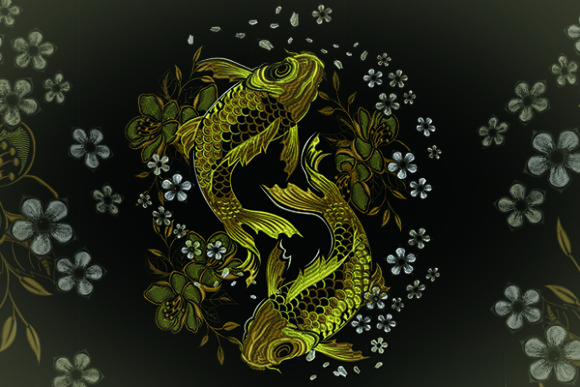
The description of Golden Fish promises something fun, easy, elegant, and gorgeous. From a professional standpoint, this is a winning combination. In the world of handmade products, buyers often hesitate if a design feels too complex or intimidating. They want items that feel premium but also accessible. The title suggests a focal point that is bold enough to catch the eye from across a booth but refined enough to fit into a farmhouse, modern, or boutique aesthetic.
When I imagine stitching this onto various fabrics, the golden thread choice stands out as a strategic decision. Gold implies value. It catches the light differently than standard cotton threads, giving even simple fabric like canvas or linen a luxurious sheen. For an Etsy seller or a small shop owner, this subtle upgrade in perceived value can justify a higher price point without changing the base cost of materials significantly.
Product Versatility: Where Golden Fish Shines
One of the biggest challenges in creating a craft fair product line is ensuring variety without overwhelming inventory. Golden Fish offers exceptional versatility. Here is how I see it performing across different handmade product categories:
- Tote Bags and Market Bags: A tote bag is the quintessential craft fair product. Stitching Golden Fish as a central focal design on a neutral canvas tote creates an instant statement piece. The gold thread contrasts beautifully against natural tones, making it highly photogenic for online listings.
- Apron Embroidery: Kitchen wear is a staple at markets. Placing this design on a white or cream apron elevates it from a utilitarian item to a decorative gift. It works particularly well as a chest-level accent, drawing attention when the wearer is cooking or demonstrating a craft.
- Tea Towel Embroidery: Linen or cotton tea towels are low-cost, high-margin items. Because the design is described as easy to stitch, it is perfect for batch production. You can quickly hoop, stitch, and finish these for impulse buys near the checkout counter.
- Embroidered Patch and Caps: If you sell accessories, applying this design to structured caps or creating a detachable patch adds a trendy, customizable element. The fish motif is unique enough to stand out among the sea of floral or geometric patterns common in cap embroidery.
- Pillow Covers and Pouches: For home decor enthusiasts, a small pillow cover featuring Golden Fish serves as an affordable luxury item. Similarly, fabric pouches for makeup or tech gadgets become more desirable with this kind of personalized touch.
Production Practicality and Sales Appeal
From a business perspective, ease of production is just as important as aesthetics. The claim that this design is "fun and easy to stitch" is crucial for efficiency. Complex designs with dense underlay or frequent color changes slow down the machine and increase the risk of errors. If Golden Fish maintains a manageable stitch count and straightforward structure, it allows for faster turnaround times during peak selling seasons.
Furthermore, the visual appeal directly impacts customer attention. At a busy craft fair, you have seconds to grab a passerby’s interest. A golden element reflects light, acting almost like a beacon. When customers stop to inspect the item, they notice the quality of the stitches and the richness of the thread. This reinforces the idea of handmade quality and brand consistency. Buyers want to feel they are purchasing something crafted with care, and a clean, elegant design delivers that assurance.
Photography and Digital Marketing
For the Etsy seller or digital creator, photography is key. Designs with metallic or gold elements photograph exceptionally well because they add texture and depth to images. A printable mockup featuring Golden Fish will likely have a higher click-through rate compared to flat, monochrome designs. It signals premium quality before the customer even clicks "add to cart."
Careful-Use Notes for Production
While the design sounds promising, experienced designers know that details matter. Before committing to full-scale production, consider the following practical checks:
- Stitch Density: Check the stitch density of the fish scales or body. If the area is too dense, it may pucker lighter fabrics. If it is too sparse, it might look thin on textured materials. Always test on scrap fabric to ensure the balance is right.
- Thread Contrast: Gold thread can sometimes blend in too much with beige or tan fabrics, losing its impact. Ensure you have a plan for contrasting backgrounds, such as navy blue, charcoal gray, or crisp white, to make the design pop.
- Hoop Size and Spacing: Confirm the recommended hoop size for this file. If you are placing it on curved surfaces like caps, you may need a specialized hoop attachment. Ensure the spacing allows for proper stabilization without distortion.
- Fabric Texture: Be cautious with highly textured fabrics like heavy terry cloth or nubby weaves. Small details in the design may get lost in the weave. Stick to smoother fabrics for the best clarity.
- Small Lettering: If the design includes any text, verify that the font size is large enough to be legible. Tiny lettering often becomes illegible after washing or from a distance.
Essential Designer Checklist
To maximize the success of Golden Fish as a commercial item, follow these steps:
- Test on Scrap Fabric: Never assume a design will work perfectly on your final material. Run a test stitch-out on the actual fabric you plan to sell.
- Check Thread Colors: Experiment with different shades of gold or metallic threads. Some machines handle certain metallics better than others; adjust tension if necessary.
- Review Stabilizer Choice: Use the appropriate stabilizer for your fabric weight. Cut-away stabilizers are often best for stretchy fabrics or items that will undergo frequent washing, while tear-away may suffice for stable home decor items.
- Create Real Mockups: Produce at least one real finished product to use as a booth sample. Nothing sells better than seeing the actual item stitched and finished.
- Confirm Commercial Licensing: Before selling any commercial embroidery products, double-check the license terms of the digital file. Ensure you are permitted to sell physical goods made from the design.
In conclusion, Golden Fish appears to be a strong candidate for your next collection of handmade product lines. Its blend of elegance and ease makes it suitable for a wide range of customers, from home decorators to fashion-forward accessory lovers. By paying attention to fabric choices and production details, you can turn this simple embroidery file into a standout bestseller at your next craft fair or online store.