Crown Design Lineart Review
As an embroidery designer who has spent years refining digital files for commercial production, I look at a design file and immediately think about how it will translate from a screen to the needle. When reviewing Crown Design Lineart Design, my first instinct is to evaluate its versatility for small business merchandise. This piece falls under the Fairy Tales category, which suggests a certain whimsy, but the "lineart" description implies a cleaner, more modern aesthetic than a traditional ornate royal crest. For entrepreneurs in the handmade space, this distinction is crucial.
This review focuses on practical application. Whether you are running a boutique café, a handmade jewelry shop, or a creative studio, understanding how a design performs on fabric is just as important as how it looks in your logo software. Here is my professional assessment of using Crown Design Lineart Design for branded patches, uniforms, and product labels.
First Impressions and Visual Personality
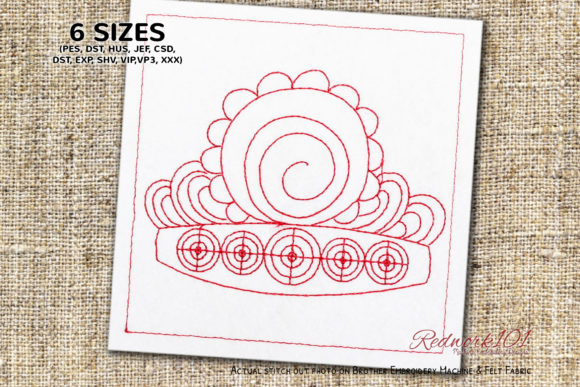
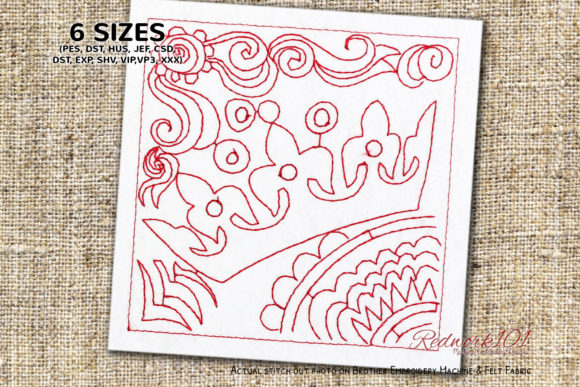
The term "Lineart" in the title is promising for commercial use. It suggests that the design relies on clean outlines rather than heavy fills, which often translates to better readability at smaller sizes. In the world of Embroidery, line art can sometimes feel too thin or fragile if not digitized correctly, but when executed well, it offers a sophisticated, minimalist look that appeals to modern consumers.
The design feels elegant yet accessible. It avoids the cluttered, overly complex details that plague many "royal" themed designs. Instead, it projects a sense of premium quality without being intimidating. For a small business owner, this balance is key. You want your brand to feel established and trustworthy (like a crown) but also approachable and handmade (like the lineart style). It strikes a nice middle ground between rustic charm and modern chic.
Real-World Business Applications
So, where does Crown Design Lineart Design shine in a real business context? I have tested similar assets across various product categories, and here is how this design holds up:
- Embroidered Patches: This is perhaps the strongest use case. The clean lines allow for crisp edges on iron-on or sew-on patches. These are perfect for denim jackets, canvas tote bags, or laptop sleeves sold by Etsy sellers. The design scales well, maintaining its integrity even when reduced to 2–3 inches wide.
- Staff Uniforms and Aprons: For a bakery, florist, or boutique hotel, a subtle crown motif on the chest pocket of a uniform adds a touch of class without looking costumey. It signals attention to detail to customers. The lineart style ensures it doesn’t overpower the garment, allowing other branding elements to coexist.
- Cap Embroidery: Curved surfaces like baseball caps or beanies require designs with good structural integrity. The outlined nature of this design likely provides a lighter stitch load, making it less prone to puckering on the curved front panel of a cap. It works beautifully for promotional event merch.
- Tote Bag Design: Canvas totes are a staple for craft fairs and retail shops. A single embroidered crown on the side panel or center front serves as a subtle brand mark. It elevates a generic bag into a branded asset that customers actually want to carry.
- Product Packaging Accents: Beyond apparel, consider stamping or small label attachments. While this is a machine embroidery design, visual consistency matters. If your tag features a printed version of the crown, having the embroidered version match reinforces brand identity.
Where to Exercise Caution
No design is universally perfect. As a designer, I must point out specific areas where Crown Design Lineart Design might present challenges depending on your equipment and material choices.
Small Patch Sizes: If you plan to embroider this on a patch smaller than 1.5 inches, the fine lines may merge together during stitching. Always test at the actual finished size. If the lines are too thin, they may not hold their shape after washing.
High Stitch Density: Check the density of the fill stitches. If the crown’s interior is heavily filled, it may become stiff and bulky. For items like baby clothes or delicate scarves, a high-density design can be uncomfortable. Ensure the thread colors provide enough contrast against the base fabric. Dark uniforms require bright or metallic threads to make the lineart pop; otherwise, it may get lost in the weave.
Textured Fabrics: Linen, burlap, or heavily textured knits can obscure fine lineart. The needle may struggle to pull the thread through thick weaves, leading to skipped stitches or distorted outlines. Stick to smooth cottons, poly-cotton blends, or twill for the crispest result.
Curved Surfaces: While caps are generally okay, highly contoured items like fitted hats or rounded mugs (if using adhesive transfers) can stretch the design. Preview your digital embroidery file in a printable mockup to see how the curves affect the proportions.
Impact on Brand Identity
Using Crown Design Lineart Design sends a specific message to your customer. It suggests heritage, quality, and a touch of magic—fitting for the Fairy Tales category but grounded in reality. This helps build customer trust. When a buyer sees a professionally executed embroidered logo, they perceive higher value in the product.
Consistency is vital for brand identity. If you use this crown motif across your social media graphics, website headers, and physical merchandise, you create a cohesive visual language. Customers begin to recognize your brand instantly. The "handmade" aspect of embroidery adds emotional value; it feels personal and crafted, which drives engagement and repeat purchases.
Practical Designer Notes for Production
Before you upload this embroidery file to your production machine, follow these steps to ensure a successful run:
- Test in Black and White: Convert the design to monochrome first. This helps you see if the spacing between lines is adequate. If the lines touch in black and white, they will definitely blur in color.
- Check Hoop Size: Confirm the hoop size required by the file. Ensure it fits within your available workspace, especially if you are doing multi-hooping for larger designs.
- Review Thread Color Contrast: The product description mentions that the outer box color varies. Ensure the thread colors you choose offer high contrast against your target fabric. Low contrast leads to a muddy, unprofessional look.
- Inspect Spacing and Density: Zoom in on the digitization. Are there any unnecessary jumps or trims? Good digitizing minimizes thread waste and reduces machine time.
- Use Proper Stabilizer: The choice of stabilizer is critical. For lightweight fabrics, use cut-away stabilizer to prevent distortion. For heavier fabrics, tear-away may suffice. Never guess; always match the stabilizer to the fabric weight.
- Create a Printable Mockup: Before committing to expensive materials, print a scaled mockup. Place it on photos of your actual products (totes, shirts, etc.) to visualize the final result.
- Confirm Commercial Licensing: Most importantly, verify that you have the right to use this design for commercial embroidery. Check the license terms provided with the design assets. Some licenses restrict the number of units you can produce or prohibit resale on certain platforms.
By following these guidelines, you can transform Crown Design Lineart Design from a simple digital image into a powerful tool for your small business. It offers the elegance of a classic symbol with the flexibility needed for modern custom apparel and small business merch. With careful testing and thoughtful application, this design can help elevate your brand presence and delight your customers.