Bird House Lineart Design Review
As an embroidery designer who has spent years refining digitizing techniques for small boutiques, I approach every new machine embroidery design with a critical eye. We are not just looking for something that stitches out; we are looking for a design that elevates the garment and speaks to the target audience. Recently, I evaluated the Bird House Lineart Design for a potential drop in my own premium sweatshirt collection. This review breaks down how this piece performs in a real-world commercial context, specifically focusing on its application for sweatshirt embroidery and boutique brand apparel.
First Impressions and Aesthetic Mood
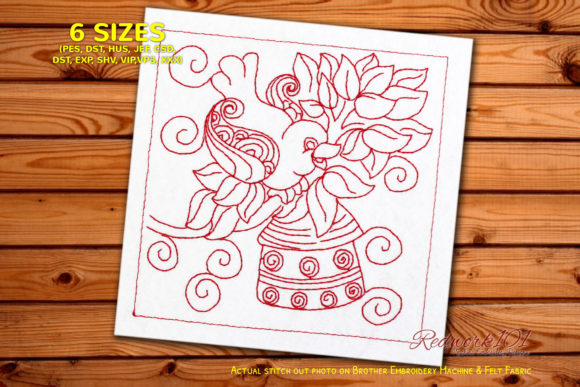
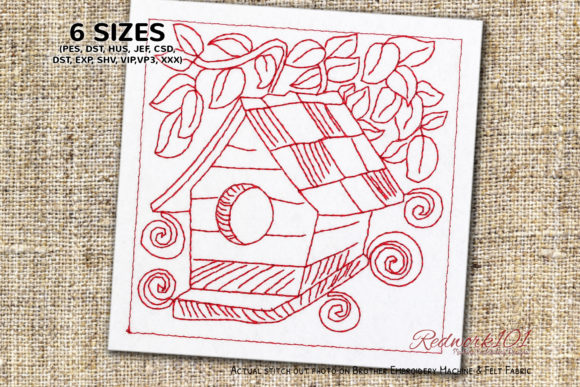
The moment you open the file for the Bird House Lineart Design, the aesthetic is immediately clear: it is clean, minimal, and deeply charming. The title suggests a lineart style, which implies a focus on outlines rather than heavy fills. This is crucial for modern fashion trends where subtlety often trumps boldness. For a small shop product targeting bird lovers, this design strikes the perfect balance between rustic and contemporary.
The mood of the design is cozy yet sophisticated. It feels at home on a pastel-colored hoodie, suggesting spring or summer collections, but also works beautifully on neutral tones like oatmeal or cream. Because it relies on line work, it avoids the "clunky" look that sometimes plagues lower-quality digitized files. Instead, it offers a delicate, decorative feel that enhances the fabric texture rather than overpowering it. It is cute without being childish, making it versatile for a wide range of age groups within the handmade market.
Application on Premium Sweatshirts
When considering this for a limited sweatshirt drop, placement is everything. Here is how the Bird House Lineart Design translates across different garment types:
- Chest Placement: On a standard crewneck sweatshirt, this design shines as a left-chest logo. Its compact nature ensures it remains legible from a distance while offering enough detail to be appreciated up close. It serves as a subtle branding element for the custom apparel line.
- Oversized Hoodies: For the popular oversized fit, placing the design slightly off-center or larger on the back can create a striking visual statement. The lineart style prevents the design from looking too heavy against the thick fabric of an oversized hoodie.
- Sleeve Accents: Given its likely vertical or contained layout, this design could serve as a unique sleeve print. It adds a playful touch to the side seam area, which is a trending spot for Etsy seller designs right now.
- Dark Fabric Contrast: One concern with lineart on dark fabrics (like charcoal or navy) is visibility. However, because the description notes an optional box stitch, you have the flexibility to add contrast. Using a bright white or metallic thread for the lines against a dark background creates a premium, high-contrast look that appeals to buyers seeking quality.
Technical Evaluation for Commercial Use
For any commercial embroidery project, technical execution is non-negotiable. Here is what designers need to consider when preparing the embroidery file for production:
Thread Colors and Stitch Density
The description mentions that the outer box color can differ, which is a smart feature for customization. When digitizing this for a boutique, I recommend using high-quality polyester threads to ensure durability. The stitch density of a lineart design should be light enough to maintain the soft hand-feel of the sweatshirt fleece. If the density is too high, the fabric will pucker, ruining the premium drape of the garment. Always test the thread colors against your specific fabric swatches to ensure the line art pops without looking muddy.
Fabric Texture and Stabilizer Choice
Sweatshirts are notoriously tricky due to their thickness and stretch. For the Bird House Lineart Design, a cut-away stabilizer is essential to prevent distortion during washing. The fabric texture of a cotton-poly blend sweatshirt interacts well with fine line stitches, allowing the thread to sit flush against the surface. If you are working with 100% cotton French Terry, you may need a heavier stabilizer backing to support the hoop area.
Hoop Size and Readability
While exact hoop sizes vary by digitizer, most lineart designs of this nature fit comfortably within a 4x4 or 5x7 hoop. For small-size readability, ensure the line width is sufficient. If the lines are too thin, they may disappear into the loops of the sweatshirt fabric. A good rule of thumb for apparel decorators is to ensure the thinnest stroke is at least 0.5mm to guarantee visibility after laundering.
Brand Identity and Market Appeal
In the crowded world of digital sellers and crafters, standing out requires more than just a pretty picture; it requires a cohesive brand identity. The Bird House Lineart Design supports a brand narrative centered around nature, simplicity, and craftsmanship. It signals to the customer that this is a handmade product made with care.
For an Etsy seller, this design is highly photogenic. It lends itself well to printable mockup creation because the negative space allows for easy integration into lifestyle photography. Imagine the design embroidered on a beige sweatshirt, paired with a ceramic mug and dried flowers. The clean lines of the birdhouse draw the eye without competing with the rest of the scene. This visual harmony increases click-through rates and buyer trust.
Furthermore, the "optional box" feature mentioned in the description adds value. It allows you to offer variations—perhaps a boxed version for a more structured, vintage look, and an unboxed version for a free-flowing, artistic vibe. This versatility helps in segmenting your small clothing brands offerings, appealing to both minimalist customers and those who prefer framed aesthetics.
Practical Considerations for Production
Before committing to a full production run, there are a few practical steps every designer must take. First, always check the hoop size requirements provided by the original creator. While the design is described as easy to stitch, the underlying digitization quality determines how smooth the process is. Look for clean underlay stitches and efficient trim commands.
Washing durability is another key factor. Embroidered finished product must withstand multiple wash cycles without fraying or fading. The lineart style, having fewer dense areas, generally holds up better over time than large solid blocks of satin stitch, which can trap moisture and lead to mold or mildew in the threads if not properly cured. Ensure your finishing includes proper backing removal and pressing to set the stitches.
If you are sourcing this as a digital embroidery file for resale, remember to verify the license terms. Does it allow for commercial use? Can you sell unlimited units? These details are critical for protecting your business assets. Since the prompt does not specify these terms, always assume you need explicit permission for commercial embroidery sales.
Conclusion
The Bird House Lineart Design is a strong contender for any boutique brand looking to expand its seasonal apparel line. Its clean aesthetic, versatility across fabric colors, and suitability for various placements make it a valuable asset for creative entrepreneurs. It captures the essence of modern handmade fashion—simple, meaningful, and beautifully executed. By paying attention to thread selection, stabilizer choice, and precise hoop placement, you can transform this design into a best-selling item that resonates with bird lovers and fashion enthusiasts alike.