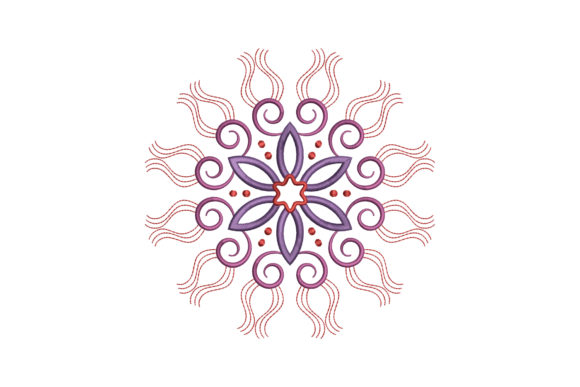
Simple Flower Mandala Embroidery Review
As a designer who spends more time staring at stitch density charts and fabric swatches than I care to admit, I don’t just buy embroidery files; I stress-test them. The market is flooded with mandala designs, but few strike the right balance between intricate detail and wearable elegance. That is why I took Simple Flower Mandala for a spin before committing it to any client work or personal project. This isn’t just another decorative motif; it is a strategic design asset that requires careful consideration regarding color theory, fabric choice, and end-use application.
First Impressions: Mood and Visual Personality
The moment you open the file, the structure speaks to you. It is not chaotic. It does not scream for attention with overly complex geometric fractals that can turn into a muddy mess if the stitching isn’t perfect. Instead, Simple Flower Mandala offers a grounded, organic symmetry. It feels like a blooming flower captured in a moment of stillness. The layout is circular, which naturally draws the eye inward, creating a focal point that works beautifully on garments and home decor alike.
The recommended color palette—purple, lilac, and red—is bold yet sophisticated. In design theory, purple and lilac are often associated with mystery, space, luxury, and wealth. When paired with a touch of red, the design gains a pulse of energy without losing its regal calm. This combination suggests a product that is meant to be cherished, not just worn. It elevates the perceived value of whatever surface it adorns, making it an excellent choice for boutique branding or high-end personalized gifts.
Real-World Application: From Tote Bag to Nursery
Let’s talk about where this design actually lives. I recently evaluated this file for a custom order involving canvas tote bags for a local artisan market. The result was striking. Because the design relies on clean lines and distinct color blocks, it translated perfectly onto the textured canvas. The contrast between the lilac threads and the natural beige of the bag created a soft, inviting aesthetic that stopped people at the booth.
However, the versatility of this machine embroidery design extends far beyond bags. Here is how I see it performing in various real-life scenarios:
- Custom Apparel: On a sweatshirt or t-shirt, this design works best as a centered chest piece or a large back print. The circular nature of the mandala balances well against the rectangular shape of a garment. For sweatshirt embroidery, the thicker fabric supports the weight of the stitches, preventing puckering.
- Baby Items: There is something inherently soothing about mandalas. Using this design on baby clothes or nursery decor taps into a sense of calm. The softer lilac tones are gentle on the eyes, making it a safe and appealing choice for new parents looking for unique, handmade products.
- Home Decor: A pillow cover or tea towel featuring Simple Flower Mandala adds a touch of artistic flair to a kitchen or living room. The design’s symmetry ensures it looks intentional and polished, even on asymmetrical furniture pieces.
- Commercial Merchandise: For Etsy sellers and small shop owners, this design is a goldmine. It fits seamlessly into collections of bohemian, spiritual, or luxury-themed items. It pairs well with other design assets to create cohesive brand identities.
Where to Exercise Caution
No design is universally perfect, and Simple Flower Mandala has specific constraints that every embroiderer must respect. Ignoring these can lead to frustrated customers and ruined inventory.
First, consider the hoop size. If you attempt to digitize or stitch this on a very small hoop, you risk losing the integrity of the outer petals. The details may become indistinguishable, turning your beautiful mandala into a blurry blob. Always check the maximum dimensions of your machine’s hoop before finalizing the placement.
Fabric texture is another critical factor. While this design shines on stable fabrics like cotton, denim, or canvas, it struggles on highly textured or stretchy materials. On thin, sheer fabrics, the stitch density might cause the material to pucker or tear over time. Similarly, attempting this on dark fabric requires careful thread selection; the lighter lilac and purple tones may get lost unless you use a backing or underlay that enhances opacity.
Be wary of curved surfaces like caps or hats. While possible, the flat geometry of a mandala can look distorted when forced onto a curved brim or crown. If you are creating an embroidered patch or a cap logo, ensure the curvature is minimal. For custom apparel with significant curves, plan your stabilizer usage meticulously to maintain tension.
Technical Notes for the Discerning Designer
Before you upload this embroidery file to your machine, there are several practical steps you should take. Do not assume the digital preview matches the physical output exactly.
- Test on Scrap Fabric: Always run a test stitch-out on the same type of fabric you intend to use. This allows you to judge how the thread colors interact with the material’s weave and dye.
- Check Stitch Density: Review the fill stitch areas. If the density is too high, the fabric may become stiff and uncomfortable, especially on clothing that will be washed frequently. Adjust the settings if your machine allows for density modification.
- Inspect Small Details: Zoom in on the digital file. Are there tiny running stitches that might break? Are there satin stitch columns that are too narrow for standard polyester thread? Identifying these issues early saves hours of rework.
- Mockup in Black and White: Convert your mockup to grayscale. This helps you evaluate the contrast and visual weight of the design without being distracted by color. If the shapes blend together in black and white, they will likely do so in color as well.
- Stabilizer Selection: Use a proper stabilizer that matches the fabric’s needs. Cut-away stabilizers are generally safer for long-term durability, especially for items that will undergo frequent washing, such as tote bag design elements or aprons.
Final Verdict: Value and Versatility
Simple Flower Mandala is more than just a pretty picture; it is a functional tool for creative entrepreneurs. Its ability to convey luxury and tranquility makes it suitable for a wide range of personalized gifts and holiday embroidery projects. Whether you are selling finished goods at a craft fair or offering digital embroidery file downloads to other makers, this design offers strong commercial appeal.
However, success lies in execution. The difference between a amateur-looking stitch job and a professional, sellable product often comes down to preparation. By respecting the fabric limitations, choosing the right stabilizer, and testing thoroughly, you can harness the full potential of this design.
If you are looking to add a touch of elegant symmetry to your next embroidery project, this mandala is a worthy candidate. Just remember: the design provides the vision, but your technical skill provides the value. Treat it with respect, and it will reward you with beautiful, durable, and market-ready results.