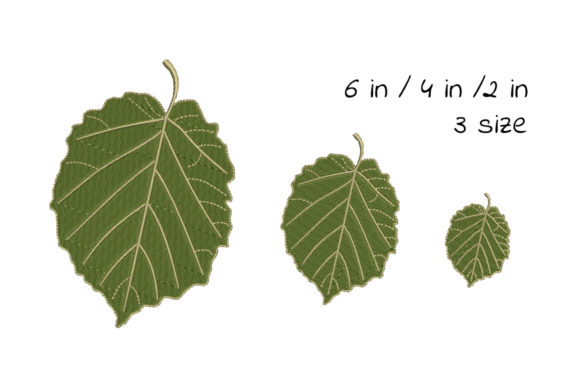
Green Birch Leaf Embroidery Review
When I sit down to evaluate a new machine embroidery design, I am rarely looking for just another pretty picture. I am looking for viability. Does this design hold up under the needle? Will it translate well into a finished product that customers actually want to buy or wear? Today, I am putting the Green Birch Leaf pattern through its paces. This is not just a decorative element; it is a specific aesthetic choice that speaks to nature, lightness, and a touch of rustic elegance. As someone who reviews designs for real-world application—whether for my own handmade shop or for client work—I need to know if this piece delivers on its promise.
The First Impression: Mood and Visual Personality
Birch trees are iconic symbols of purity, light, and femininity in many cultures. The Green Birch Leaf design captures this essence without being overly ornate. When you look at the digital preview, the visual personality is clean and airy. It does not scream for attention with heavy, dense blocks of color. Instead, it whispers. This makes it incredibly versatile for a wide range of embroidery projects.
In terms of layout, the design feels balanced. It has a natural flow that mimics the organic growth of actual birch foliage. For an embroiderer, this means the eye travels smoothly across the stitch lines. There is a sense of movement in the leaves that suggests a gentle breeze, which adds a dynamic quality to what could otherwise be a static image. This is crucial when you are designing for apparel or accessories where the garment moves with the wearer.
The theme fits squarely within the Forest category, but it leans heavily toward the botanical and delicate side. It is perfect for spring collections, summer festivals, or any project aiming for a "cottagecore" or minimalist aesthetic. If you are an Etsy seller or a small business owner, understanding this mood is key. You are not just selling a leaf; you are selling a feeling of calm and connection to nature.
Real-World Application: Where Does It Shine?
I recently considered using the Green Birch Leaf for a custom order of personalized tote bags for a local botanical garden gift shop. The client wanted something that felt earthy but sophisticated. Here is how I think this design performs in various scenarios:
- Tote Bags and Canvas Goods: This is perhaps the strongest use case. The crisp lines of a birch leaf contrast beautifully against sturdy canvas. The design works well as a central chest placement or even as a repeated pattern along the bottom hem. It elevates a basic tote bag into a boutique item.
- Custom Apparel and Sweatshirts: For fall and winter collections, a subtle birch motif on a heavyweight sweatshirt can add a layer of sophistication. It avoids the cliché of loud seasonal graphics. Think of it as a small, left-chest logo or a larger back print for a limited-edition run.
- Baby and Nursery Items: Because birch symbolizes purity and new beginnings, this design is ideal for baby clothes, blankets, and nursery decor. The softness of the imagery translates well to cotton knits, creating a tender, loving aesthetic that parents appreciate.
- Kitchen and Home Textiles: Tea towels, aprons, and pillow covers are excellent candidates. The green tones complement kitchen herbs and natural wood tones, making it a practical yet stylish addition to home decor.
For the craft business minded creator, this design has high commercial potential. It is recognizable enough to stand out in a crowded market but neutral enough to appeal to a broad audience. It works well for wedding favors, bridal shower gifts, and holiday presents where a nature theme is desired but not overpowering.
Technical Considerations and Stitch Performance
As a designer, I always ask: How does this stitch out? The Green Birch Leaf appears to utilize a mix of stitch types to achieve its realistic look. Typically, designs like this rely on a combination of satin stitch for the outlines and edges, providing definition and durability, and fill stitch or running stitch variations for the interior texture of the leaves.
This mix is generally safe for most machines, provided the stitch density is appropriate. You do not want the fabric to pucker, nor do you want the design to look sparse and weak. When testing, I recommend paying close attention to the transition points between different stitch types. Smooth transitions prevent thread breaks and ensure a professional finish.
One critical factor is the hoop size. Since this design comes in three sizes, you have flexibility. However, you must ensure your hoop is large enough to accommodate the largest version without cutting off important details. If you are working on a custom apparel item like a cap or a curved surface, you will need to use a specialized hoop or free-motion technique to keep the tension even. Curved surfaces can distort fine leaf details, so practice on scrap fabric first.
Pitfalls to Avoid: Where Caution Is Needed
No design is perfect for every situation. There are specific contexts where the Green Birch Leaf might struggle:
- Small Hoop Sizes: If you attempt to digitize or stitch a very small version of this design, you may lose the intricate vein details. Tiny lettering or tiny accents can become muddy blobs. Always inspect the smallest detail before committing to production.
- Textured or Stretchy Fabrics: While birch leaves look great on smooth cotton, they can disappear on heavily textured fabrics like bouclé or thick chenille. Similarly, on stretchy jersey knits, the design may warp if not stabilized correctly. Use a proper stabilizer to counteract the stretch.
- Dense Stitch Areas: If the design uses too much fill stitch in a small area, it can become stiff and uncomfortable to wear. This is particularly important for items that will be washed frequently, such as baby clothes or kitchen towels. Excessive stiffness can lead to cracking or tearing over time.
- Dark Fabric Backgrounds: If you are stitching this on dark fabric, you will need to choose your thread colors carefully. A light green leaf might get lost against a black background unless you use a contrasting outline or a lighter shade of green. Test your thread colors against your fabric to ensure visibility.
Final Verdict: Is It Worth the Investment?
After reviewing the aesthetics, technical requirements, and market potential, the Green Birch Leaf stands out as a reliable and attractive choice for the serious embroiderer. It strikes a balance between artistic expression and commercial practicality. It is not a fad; it is a timeless botanical motif that will remain relevant season after season.
For the digital product seller, this is a valuable asset to have in your library. It complements other nature-themed designs and allows you to offer cohesive collections. For the maker who creates one-of-a-kind gifts, it offers a way to add a personal, handcrafted touch that feels thoughtful and refined.
Before you start your next embroidery project, remember these final tips:
- Always test the embroidery file on a scrap of your actual production fabric.
- Check the stitch density to ensure it matches your machine’s capabilities and your fabric’s weight.
- Confirm the licensing terms if you plan to sell the finished products commercially.
- Use high-quality thread colors that enhance the natural beauty of the birch theme.
The Green Birch Leaf is more than just a decoration; it is a tool for creating meaningful, beautiful products. Whether you are decorating a tote bag design for a festival or adding a delicate touch to a baby embroidery set, this design delivers on its promise of lightness and purity. It is a solid addition to any craft business inventory.