Beautiful Lilies Blooming Redwork
As a designer who spends more time looking at stitch density and fabric grain than scrolling through endless digital marketplaces, I approach every new embroidery file with a mix of curiosity and skepticism. We have all been there: you find a design that looks stunning in the preview window, but when it hits the hoop, the details get lost, or the overall vibe feels off. That is why I am taking a closer look at Beautiful Lilies Blooming Redwork. This isn’t just about whether the machine can stitch it; it is about whether this design has the soul to elevate a handmade product into something a customer actually wants to keep.
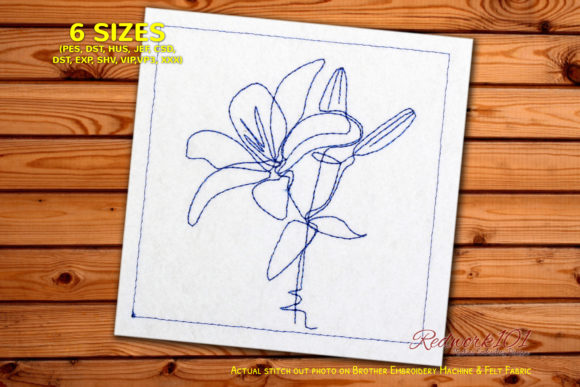
The category here is Single Flowers, which might sound simple, but simplicity is where most designs fail. A single flower needs to stand on its own without relying on a busy background or complex framing to feel complete. My first impression of Beautiful Lilies Blooming Redwork is one of quiet elegance. It captures the classic redwork aesthetic—bold, graphic, and timeless—but adds a layer of botanical realism that feels fresh rather than dusty. The lily shape is distinct, with petals that suggest movement even in a static stitch pattern. It creates a mood that is both rustic and refined, making it incredibly versatile for various creative applications.
Real-World Application: From Hoop to Handoff
Let’s talk about how this machine embroidery design performs when we move from the screen to the shop floor. I recently envisioned using this design for a custom embroidered tote bag intended as a boutique gift set. The clean lines of the lily work beautifully against the heavy canvas of a tote, offering high contrast without overwhelming the garment. Because the design relies heavily on clear shapes, it translates exceptionally well to tote bag design projects where durability and visual impact are key.
I also see strong potential in sweatshirt embroidery for the cooler months. Placed over the heart or centered on the back, the lily provides a focal point that doesn’t compete with the texture of fleece or cotton blends. For aprons used in craft fairs or home kitchens, this design strikes the right balance between professional branding and personal warmth. It feels like a finished product that belongs in a curated gift box, not just a clearance bin.
However, versatility does not mean universality. When considering commercial embroidery for items like caps or embroidered patches, you must be cautious. Curved surfaces like hats can distort the delicate curves of the lily petals if the stabilizer choice isn’t perfect. Similarly, while the design works well on flat surfaces like kitchen towels or pillow covers, trying to cram it into a tiny hoop size might result in lost detail. Always test the hoop size compatibility before committing to mass production.
Visual Appeal and Brand Consistency
In the world of Etsy seller listings and small shop product creation, visual clarity is everything. Customers cannot touch the fabric, so they rely entirely on your photos and mockups. Beautiful Lilies Blooming Redwork offers excellent stitch density distribution, meaning it photographs well under studio lighting. The solid fills and defined edges hold up nicely in printable mockup presentations, giving buyers a realistic expectation of the final item.
This consistency builds trust. When a buyer sees that the digital preview matches the physical reality of the handmade product, their confidence in your brand grows. The lily motif is recognizable and appealing across demographics, from young adults looking for trendy custom apparel to older customers seeking traditional decor. It supports a cohesive brand identity because it is neither too childish nor too severe. It sits comfortably in the "approachable sophistication" zone that many successful craft business owners strive for.
Technical Considerations for the Savvy Designer
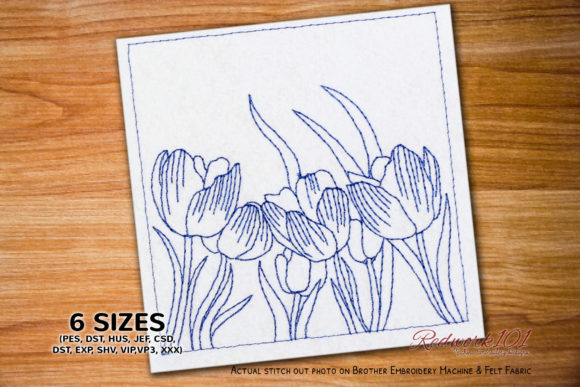
Before you upload this to your catalog or start stitching for clients, there are practical steps you must take. The description notes that the Box Stitch shown in the picture is optional and that outer box colors may vary. This variability requires attention to detail. If you are selling personalized gifts, color matching becomes part of your service value. Ensure you understand exactly which thread colors are included in the file and whether they match your standard thread palette.
One critical step often overlooked is testing on scrap fabric. Fabric texture plays a huge role in how a redwork style design renders. On a smooth percale cotton, the stitches will look crisp and sharp. On a nubby linen or a textured knit, the same design might look muddy or lose definition. I recommend running a test stitch on the actual fabric you plan to use. Check the stabilizer requirements carefully; dense fill stitches often require cut-away stabilizers to prevent puckering, especially in washable items like baby clothes or tea towels.
Another technical note involves the applique design elements if present. Even if the primary style is straight or satin stitch, any applique components need precise trimming. Inspect the small details in the center of the lily. Are they too small for your machine’s needle? Can your current setup handle the transition between different stitch types smoothly? If you are unsure about specific file formats or machine compatibility, do not guess. Reach out to the creator or check the documentation. Assuming compatibility is a fast track to ruined garments and frustrated customers.
Where to Use (and Where to Pause)
While Beautiful Lilies Blooming Redwork is robust, it is not indestructible. Avoid placing it on thin, stretchy fabrics without proper backing, as the tension required for the fill stitches can cause distortion. Dark fabrics can sometimes hide the subtleties of lighter thread shades, so always compare light and dark fabric backgrounds before finalizing your design assets. Additionally, if your product requires frequent industrial washing, ensure the stitch density is sufficient to withstand wear and tear without fraying.
For digital product sellers creating previews, remember that the design’s personality shines brightest in natural settings. Mock the lily on a wooden table next to fresh flowers, or on a soft neutral blanket. This context helps buyers visualize the embroidery project in their own homes. It transforms a simple embroidery file into an experience.
Final Thoughts on Design Value
Ultimately, the value of an embroidery design lies in its ability to inspire. Beautiful Lilies Blooming Redwork succeeds because it respects the medium. It does not try to be something it is not; it is a beautiful, well-executed floral motif that leverages the strengths of machine embroidery. Whether you are adding it to your library of design assets for future seasons or using it immediately for a rush order of holiday gifts, it delivers on its promise of quality.
For creative entrepreneurs and makers, this design is a reliable workhorse. It fits seamlessly into collections of nursery decor, wedding favors, and seasonal merchandise. By taking the time to test it properly and presenting it with care, you can turn this single flower into a centerpiece of your shop’s success. Just remember to confirm licensing terms before selling finished items, ensuring your commercial embroidery practices remain ethical and compliant. With the right preparation, Beautiful Lilies Blooming Redwork is more than just a file—it is a foundation for beautiful, sellable art.